ESTATE ITALIANA. EVERY DAY.


The Italian Lido
Where the beach becomes a way of life.
The architecture of the Italian summer
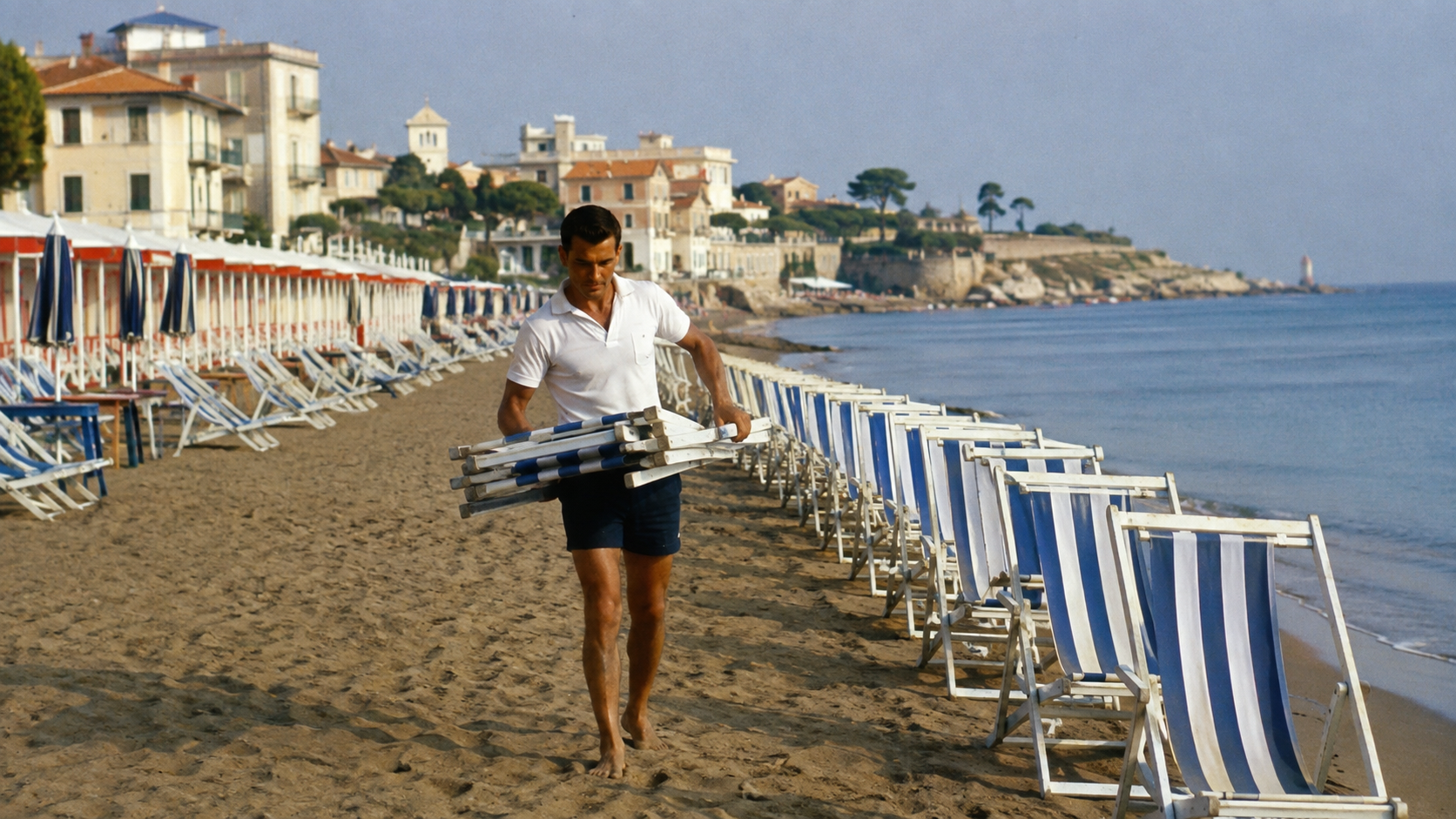
On the beaches of Rimini, Viareggio, Forte dei Marmi and countless smaller towns, these objects became part of a system. Chairs, loungers and umbrellas were not individual pieces of furniture so much as the architecture of the Italian summer.
Their forms were simple because they had a job to do. Lightweight frames could be carried across the sand, folding joints made storage easy and strong canvas seats dried quickly in the sun. Every curve, hinge and strip of fabric answered a practical need, yet together they created one of the most recognisable landscapes in Italy.
The daily rhythm of the coast
They were carried out each morning, set in precise rows and folded away at dusk. Durability was not an abstract virtue; it belonged to the daily rhythm of the coast. Each chair had to withstand salt, sun and sand because it belonged to a season that returned every year.
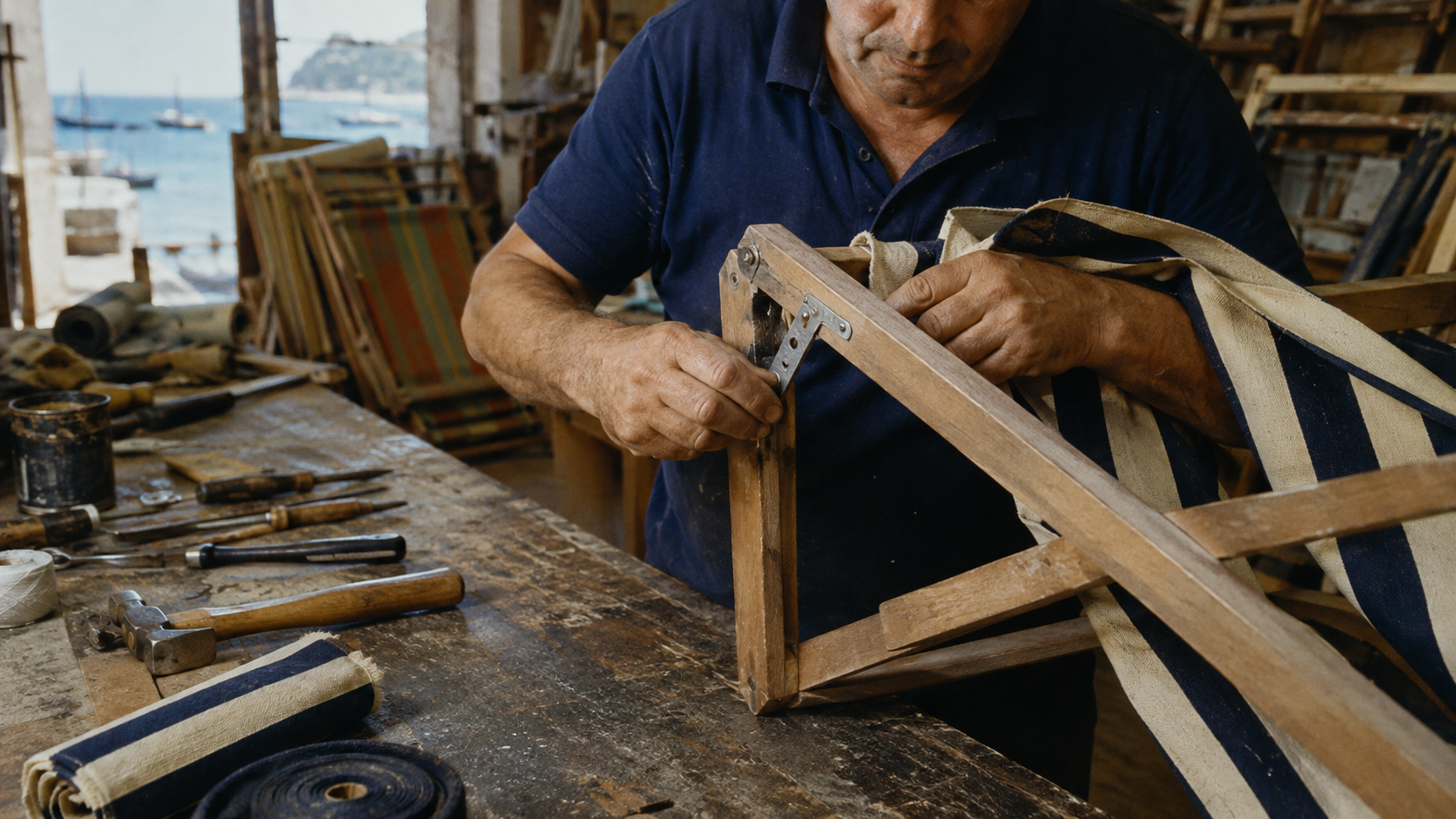
Materials were chosen for repetition: steel or aluminium gave strength without excess weight; textiles could be tightened or replaced, and finishes resisted heat and water. Many pieces were assembled by hand, shaped by the knowledge of making objects well, year after year.
Season after season
That repetition gave the furniture its character. The same frames, fabrics and gestures became familiar across generations: a place to sit, a place to wait for lunch, a place to watch the water, a place to spend an afternoon doing almost nothing.
The essential form has hardly changed. Not because designers stopped thinking about it, but because the proportions, materials and folding construction had already found their purpose. Parts could be maintained, fabric renewed and frames returned to the beach instead of being treated as temporary objects.
Italian beach culture understands that pleasure need not be complicated. The best objects make room for it. Sustainability lies in longevity: carefully made, used repeatedly and repaired.
Why these chairs still feel contemporary
That is why these chairs still feel contemporary.
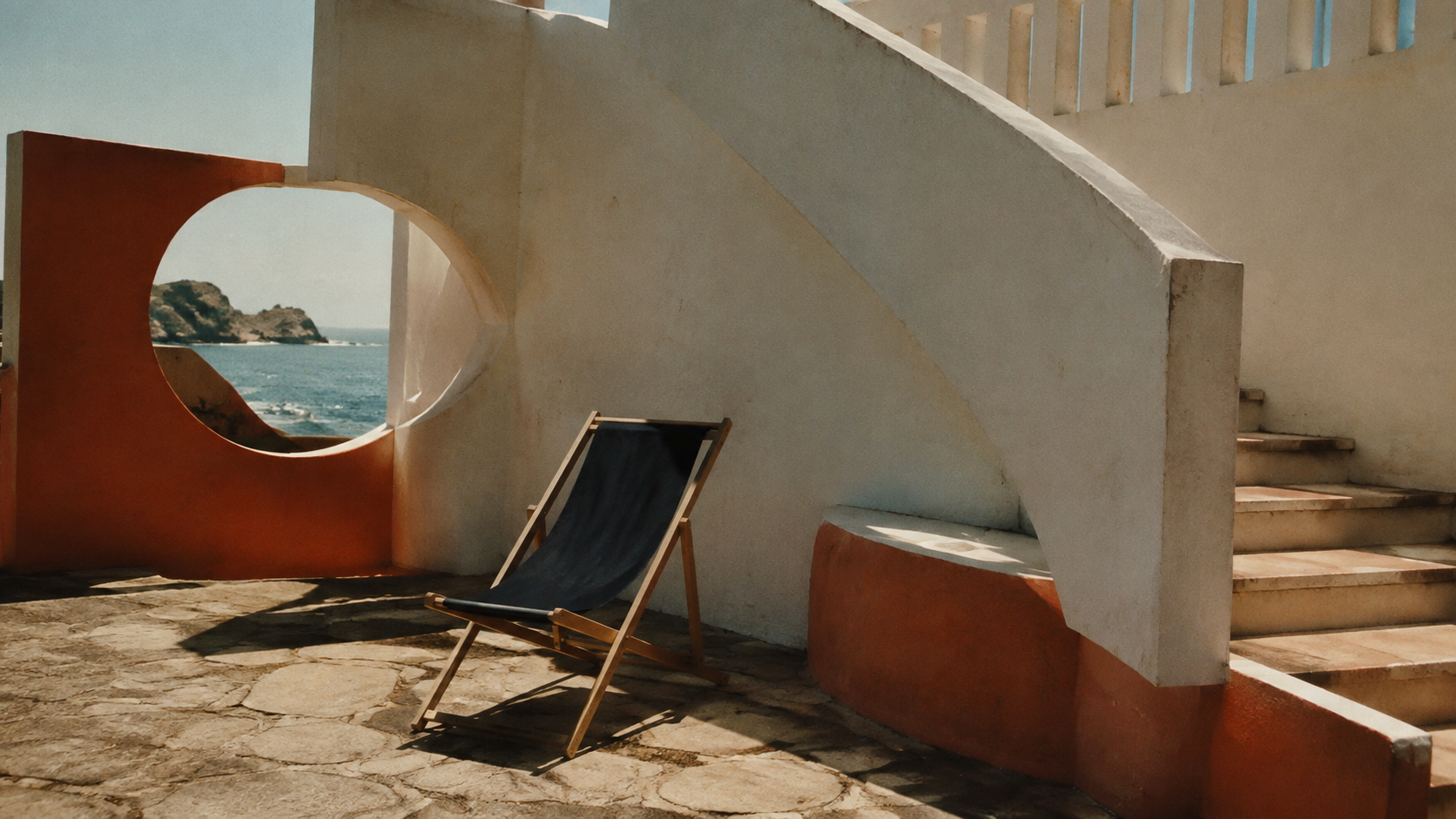
They are honest about how they are made and what they are for. The frame is visible, the fabric does the work and nothing is added without reason. This economy gives them a quiet beauty that sits as naturally on a modern terrace as it does in a row beside the Adriatic.
And while colours, finishes and production methods have evolved, the silhouette remains unmistakable. It has never needed reinvention. Not because these chairs resisted change, but because they were made by hand, made to be used and made to endure the things that matter.
IL SOLE
Mornings that feel like summer.
IL MARE
The rhythm of the sea.
L'ESTATE
Long lunches. Slow afternoons.